
Charity TV Commercial Case Study: Epilepsy Action - CARE Method First Aid Campaign
Epilepsy Action partnered with Rune Films to produce a broadcast-ready television commercial teaching the UK public how to help someone having a tonic-clonic seizure, using a simple, memorable framework: CARE.
The campaign aired on national television including BBC Breakfast, and was later adapted into an out-of-home (OOH) campaign running across digital video boards throughout the UK.
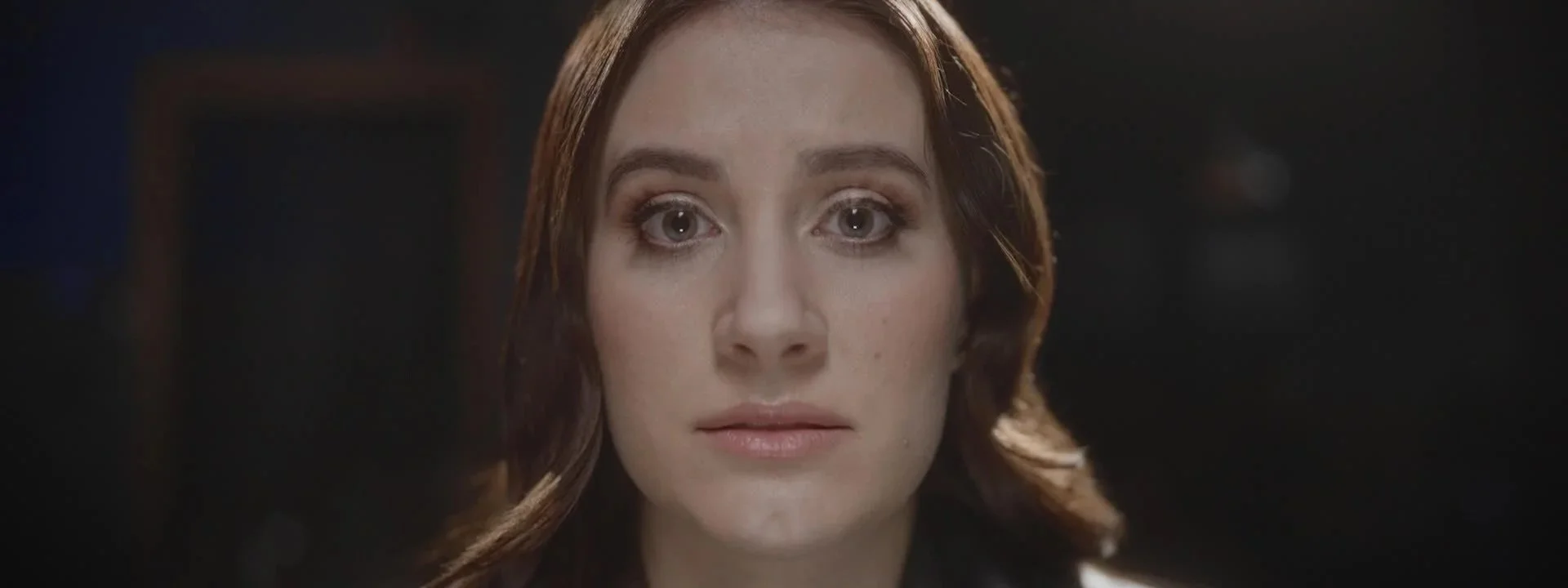
This project is a strong example of charity TV commercial production - broadcast-grade work created for a public awareness campaign with national reach. It also forms part of our wider charity video production work for non-profits and public sector organisations.
The Approach
strategy
Creative
One of our key creative contributions to the campaign was developing the CARE method itself - the acronym structure that turned four separate first aid steps into a single, recallable framework. Comfort. Action. Reassure. Emergency. Acronyms work in public health communication because they reduce cognitive load under stress, a witness to a seizure doesn't need to remember four discrete pieces of information, they need to remember one word. Once we'd defined the framework with Epilepsy Action, the film could be built to reinforce it visually rather than just describe it.
The wider strategic decision was to ground the film in a relatable everyday scenario rather than a clinical or dramatised one. The public sees seizures in fiction, on TV dramas, in films - but they rarely see them in the contexts where they actually happen: in homes, in pubs, in workplaces, on the street.
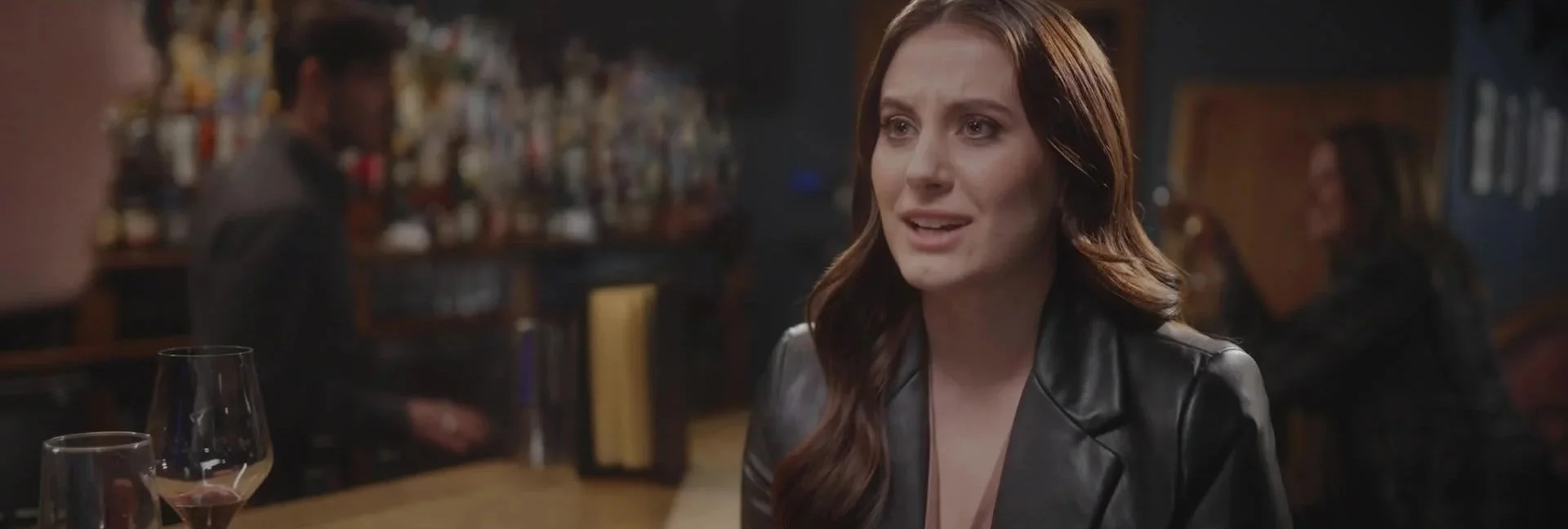
The film was structured around a single, recognisable moment: two people on a date in a bar. The setting was deliberately ordinary. The cast were deliberately ordinary. The point was that this could happen to anyone, anywhere - and so the response had to be something anyone, anywhere, could do.
The CARE method was integrated into the story arc rather than presented as a checklist, allowing the educational content to land as part of the narrative.
Visually, the film took a cinematic approach; narrow depth of field, controlled lighting, considered framing, to give the work the production weight of a broadcast drama rather than the flatter aesthetic typical of public information films.
Key creative decisions:
Cinematic intimacy. Tight close-ups on the protagonists kept the emotional centre of the film human, even during the seizure itself.
Restraint over shock. The seizure was treated with realism but without exploitation. The audience needed to recognise what they were seeing, not be horrified by it.
Clear visual cues to the CARE steps. Comfort, Action, Reassure, Emergency - each step was visually anchored in the narrative so viewers absorbed the sequence without it feeling like instruction.
Authentic location. A working bar in Leeds was chosen rather than a built set, giving the film the textural detail that signals reality.
Production
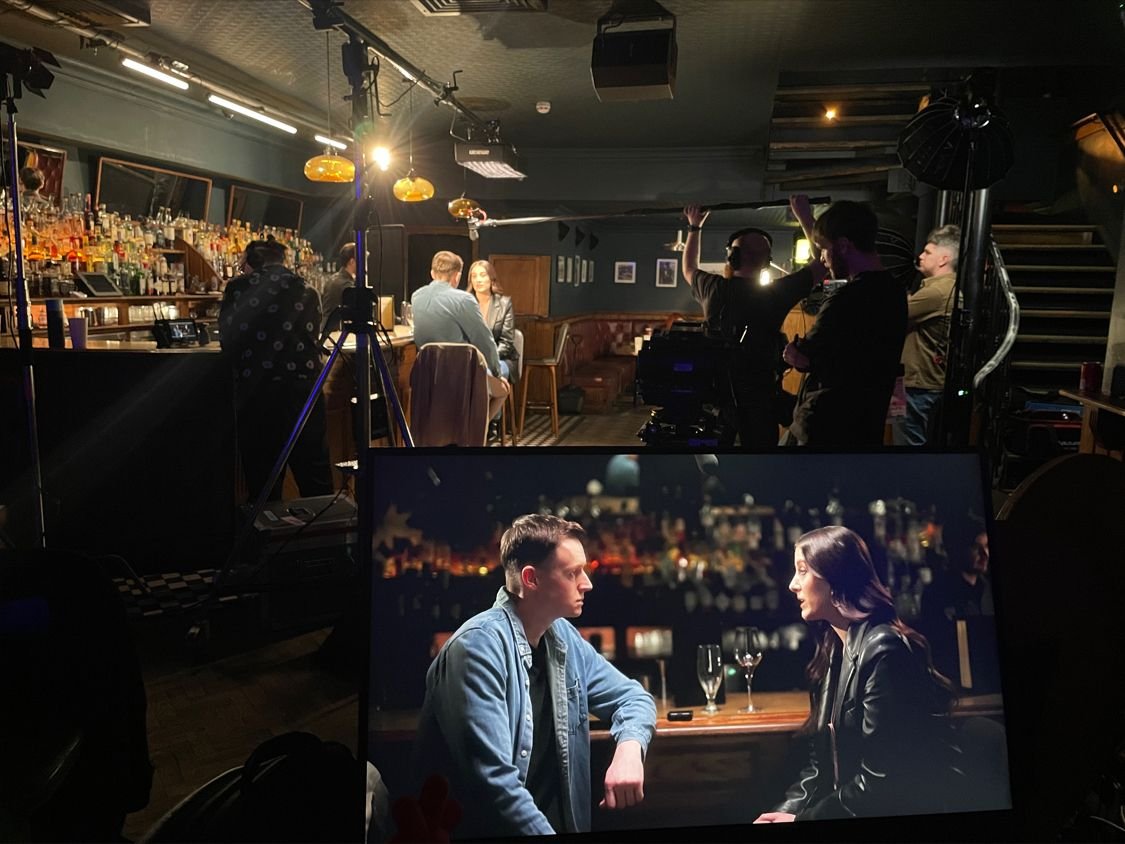
The shoot was delivered in a single day with a tight, experienced crew and considered casting:
1 Shoot day
Crew of 9 (director, cinematographer, sound, gaffer, AD, production manager, costume/makeup, runners)
Cast of 9 including principal cast and background extras to populate the bar environment
Location: Working Leeds bar, dressed for camera
The production design balanced narrative believability with broadcast technical standards. Cinematography was treated as character work - every camera move chosen to reinforce the emotional perspective of the witnessing character, since the audience was ultimately being trained to be that witness in real life.
Post-production focused on pacing, the film had to land its educational content in under a minute while still feeling like a story.
The Outcome
The final campaign reached the UK public across two major channels:
Broadcast television - including airtime on BBC Breakfast, putting the CARE method in front of national audiences during one of the UK's most-watched morning programmes
Out-of-home (OOH) campaign - adapted from the original commercial and rolled out across digital video boards throughout the UK, extending the campaign's reach into high-footfall public spaces
For Epilepsy Action, the campaign delivered:
A national platform for the CARE method as a memorable first aid framework, a creative idea that now serves as a permanent communications asset for the charity
A broadcast-grade asset usable across digital, social and OOH channels
Increased visibility of seizure first aid education in everyday public contexts
A film that has continued to serve the charity's communications more than 12 months after launch
The Challenge
Epilepsy is one of the most common neurological conditions in the UK, yet public knowledge of basic seizure first aid remains startlingly low. International studies consistently show that most members of the public don't know what to do when they witness a tonic-clonic seizure, and inappropriate responses are common.
Epilepsy Action wanted to change that. The brief was clear in its objective and difficult in its execution:
Create a national first aid awareness video that helps members of the public understand exactly what to do when someone has a tonic-clonic seizure - and make it interesting enough to watch, accessible enough to remember, and grounded enough to feel real.
The creative challenge sat in the balance between three competing tensions:
Education without lecturing. Public health communication often fails because it feels like a textbook. The film needed to teach, not preach.
Drama without sensationalism. The reality of witnessing a seizure is unsettling. The film had to feel honest about that, without becoming the kind of charity content people scroll past.
Memorability without simplification. First aid steps have to be recallable under stress. The film needed a structure people could actually hold on to in a real emergency.
Why This Worked
Narrative-led education
The CARE method was taught through story, not explanation. Viewers absorbed the four steps because they followed the action - not because they were told to remember them.Realism over drama
The film treated the seizure with restraint. The realism is what makes the content useful, viewers can recognise the situation if it happens in front of them.Broadcast-grade craft
Cinematic production gave the campaign credibility on national television and stood out against typical charity advertising. Production quality earned the commercial a viewing context where less polished work would have struggled.Multi-channel adaptability
The film was designed from day one to work beyond TV. Adapting the asset for OOH digital video boards extended the campaign's reach into spaces broadcast couldn't reach, train stations, retail areas, city centres.Strategic partnership, not just production
Rune Films contributed to the creative thinking that shaped the campaign - including developing the CARE acronym that became the central organising idea of the film and the wider awareness work. The result is a piece of work where the strategy and the execution were built together rather than commissioned separately.
Creative strategy and campaign development (including CARE acronym creation)
Charity TV commercial production
Broadcast-ready film for national television
Narrative-led public awareness campaign
Location filming in Leeds
Single-day production with full crew
Multi-channel adaptation for OOH campaign
Distribution support for BBC Breakfast and national OOH placement
Project Scope
Epilepsy Action The UK's largest charity supporting people living with epilepsy.
Client
Rune Films produces broadcast-grade TV commercials, awareness films and OOH campaign content for charities, non-profits and public sector organisations across the UK. We handle every stage of production end-to-end in-house; concept, casting, location, cinematography, post-production and broadcast deliverables. For projects like this one, we work as a creative partner from strategy through to final delivery.
If you're a charity or non-profit considering a TV commercial or awareness campaign, get in touch.
Related work
Related reading
Looking for Charity TV Commercial Production?
Looking to create a SaaS explainer video? Get in touch.
If you’re looking to simplify a complex product and improve how your audience understands it, we help SaaS companies create video content that delivers clarity, engagement and measurable impact.
Get in touch to discuss your project.
FAQ - About This Project
How long did the project take from brief to final delivery?
The shoot itself was a single day in Leeds, but the wider project ran across several weeks - including creative strategy development (where the CARE acronym was created), scripting, pre-production, casting, location scouting, the shoot, post-production, and broadcast-ready deliverables. Multi-channel adaptation for the OOH campaign was completed afterwards.
Could Rune Films deliver something similar for our charity?
Yes - we work with charities, non-profits and public sector organisations on broadcast-ready TV commercials, awareness campaigns and OOH content across the UK. Every project starts with a conversation about objectives, audience and budget. Get in touch and we'll talk through what's possible.
How much does a charity TV commercial like this cost?
Costs vary widely depending on script complexity, cast size, location requirements, broadcast clearance and post-production. A single-location narrative TV commercial typically falls between £25,000-£60,000+, with simpler awareness-only digital films starting lower. We scope each project to budget and brief during the initial conversation.
Can you handle the broadcast distribution and OOH adaptation as well?
We deliver broadcast-ready masters that meet UK TV technical specifications, and we work with media agencies and OOH partners on the adaptation process. For this campaign, the original TVC was adapted into an OOH-ready format for digital video boards across the UK.
Do you do the creative thinking, or just produce someone else's script?
Both, depending on the brief. For this project we contributed to the creative strategy, including developing the CARE acronym as the central organising idea. For other projects we execute against a fully scoped creative provided by the client or their agency. We're equipped to work as a creative partner or a production partner depending on what the project needs.
Where is your team based?
We're a Leeds-based video production company working with clients across the UK. For TV commercials and broadcast-grade work, location filming happens wherever the brief requires - for this project, we filmed in a Leeds bar.